


Starting Point for Overhauling a Neglected Garden
Posted on 21/06/2025
Starting Point for Overhauling a Neglected Garden: A Complete Guide
Are you staring at a wild, overgrown plot and wondering where to begin? Overhauling a neglected garden can feel daunting, but with the right approach, you can transform any unloved space into a vibrant outdoor haven. This comprehensive guide delivers essential steps to start rejuvenating your neglected garden, providing practical tips and inspiration for every stage of the process.
Why Tackle a Neglected Garden?
A neglected garden isn't just an eyesore; it can also harbor pests, reduce property value, and restrict your enjoyment of nature. Restoring your garden:
- Adds value to your property
- Creates a healthier, more attractive environment
- Offers a rewarding sense of accomplishment
- Encourages sustainable living
Whether your yard has suffered years of neglect or just needs a seasonal refresh, you're about to learn the starting point for overhauling a run-down garden step by step--so let's get started!
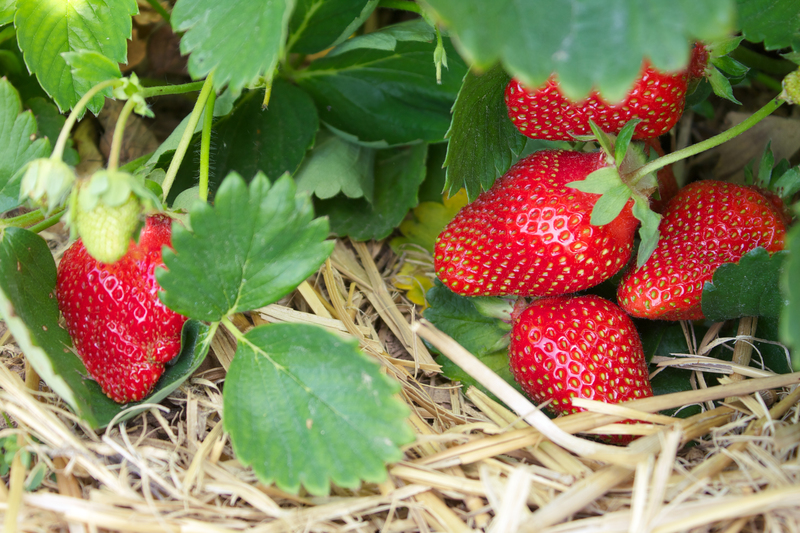
Evaluating Your Neglected Garden
1. Survey the Site
Begin with a thorough assessment of your garden. It's crucial to understand what you're working with before diving in. Take a notebook, sketch a rough layout, and look for:
- Areas of dense weeds or overgrowth
- Mature trees or shrubs worth saving
- Hard landscaping features (fences, patios, edging)
- Damp or dry patches indicating drainage concerns
- Existing paths and garden structures
2. Check Soil Health
Garden soil often suffers from neglect. Healthy soil is essential for flourishing plants. Test soil for pH balance, compaction, and drainage--tools like a pH kit and garden fork can be handy. Keep an eye out for:
- Heavy clay or sandy patches
- Stagnant, muddy areas
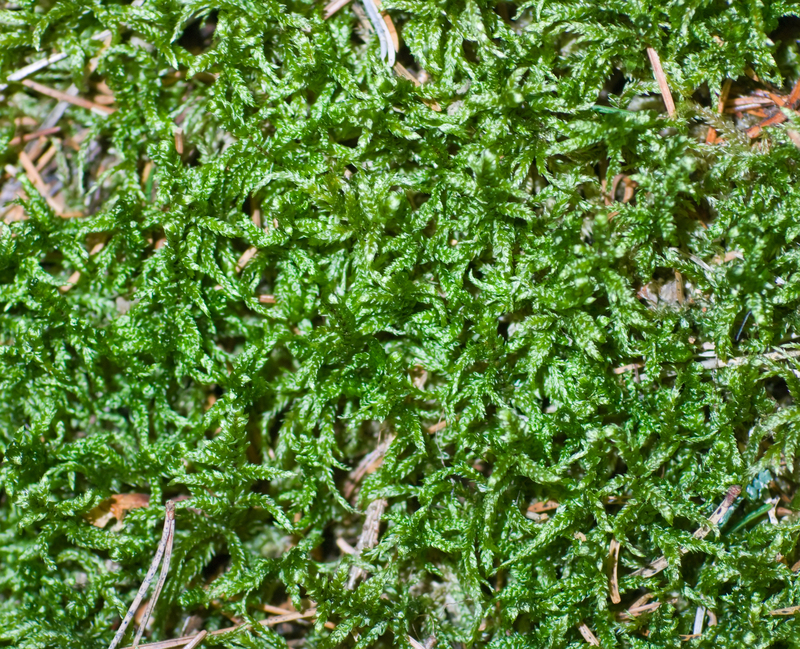
- Moss or fungus, which may indicate poor conditions
3. Identify Worthwhile Plants
Don't yank everything up! Some mature plants, like old roses or established trees, can form the framework of your renewed garden. Learn to recognize:
- Healthy, vigorous perennials
- Heritage shrubs or unique bulbs
- Protected or native species
The First Steps in Overhauling a Neglected Outdoor Space
1. Tackle Hard Cleanup First
The initial phase of garden restoration is about regaining control. Here's where to begin:
- Remove obvious rubbish - old garden furniture, broken pots, litter, and debris.
- Prune overgrown shrubs and trees - cut out dead wood and tidy up for healthy regrowth.
- Cut grass and weeds to a manageable level using shears, a strimmer, or mower.
- Dispose of all waste responsibly.
*Pro Tip: Tread lightly; don't tear out unknown plants until you're sure they're unwanted. Some may surprise you with seasonal blooms!
2. Clear Weeds Efficiently
Weed removal is a fundamental step in transforming neglected gardens. Use a two-pronged attack:
- Manually dig or pull out larger plants and deep-rooted offenders.
- Tackle the rest with a hoe or weed-suppressing mulch like cardboard followed by compost.
Don't be tempted to rotavate or till the whole area hastily, as this can just bring more weed seeds to the surface. Regular, consistent weeding is better than overwhelming blitzes.
3. Restore Lawns and Edges
Neglected lawns often need serious attention. Start by mowing at the highest setting, removing clippings, and edging borders for clean lines.
- Patch bare spots with lawn seed and topsoil
- Aerate compacted soil with a fork or aerator tool
- Fertilize if necessary, using slow-release products
Designing Your Garden's New Chapter
1. Define Your Garden Zones
With the worst of the mess cleared, pause and plan ahead. Think about how you wish to use your outdoor space:
- Entertaining or dining areas
- Children's play zones
- Vegetable or herb gardens
- Wildlife-friendly corners
2. Improve Soil Quality
Soil improvement is the true secret to a flourishing garden transformation. Spread a generous layer of compost or well-rotted manure over cleared beds--even if you don't intend to plant right away. This feeds the soil community and suppresses new weeds.
Regular soil maintenance ensures healthier, lusher plants as your neglected garden comes back to life.
3. Choose Low Maintenance Plants
When planning a garden overhaul, pick resilient, low-maintenance plants that can thrive in local conditions. Try:
- Perennials like hostas, geraniums, and daylilies
- Flowering shrubs such as hydrangeas or potentillas
- Ground covers like creeping thyme
- Native wildflowers for pollinators
4. Install Strong Garden Infrastructure
Now is the time to address fences, pathways, patios, and beds. Repair and clean pre-existing features where possible. Consider:
- Gravel, paving stones, or bark paths
- Raised beds for vegetables or borders
- Repainting fences and sheds
Key Principles for Overhauling a Neglected Garden
1. Work in Manageable Stages
The secret to successfully restoring a neglected garden is tackling it bit by bit. Don't try to do everything at once.
- Prioritize urgent issues--like dangerous trees or tripping hazards
- Break the garden into sections; focus on one area before moving to the next
- Set achievable goals to maintain momentum
2. Recycle and Reuse Where Possible
A garden overhaul doesn't need to break the bank. Repurpose old bricks, wood, or pots as features or edging. Compost green waste to feed your new plants. Sustainable gardening keeps costs down and supports the environment.
3. Create a Maintenance Routine
Overhauling a neglected yard is only half the battle. Maintaining your hard work is key. Set regular reminders to:
- Weed new beds and borders
- Water plants deeply as they establish
- Check for pests or diseases
- Deadhead flowers for continual blooms
Common Pitfalls When Starting a Garden Overhaul
Even experienced gardeners encounter obstacles when restoring a badly neglected garden. Some common hazards include:
- Being overly ambitious--try not to tackle the entire garden at once
- Removing everything, including valuable mature plants
- Neglecting soil quality or drainage issues
- Choosing high-maintenance or inappropriate plants
Benefits of Restoring a Neglected Garden
*Bringing an unloved garden back to life is a deeply rewarding pursuit. Here's what you stand to gain:*
- Improved curb appeal and property value
- A peaceful retreat right outside your door
- Better health through exercise and fresh air
- Opportunities for homegrown food and flowers
- Enhanced local biodiversity and habitat for wildlife
- Personal satisfaction in creating a thriving garden from scratch
Case Study: A Step-by-Step Neglected Garden Makeover
Picture this: a fenced-in backyard, chest-high weeds, and impassable tangled shrubs. Here's how one homeowner restored their wild plot, starting from scratch:
- Initial cleanup: Three weekends spent removing trash, decaying wood, and cutting back prickly brambles.
- Tree and shrub rescue: Identified and pruned a hidden apple tree and some mature lilacs. The rest were removed to make space.
- Soil prep: Rotated compost into tired beds, mulched bare spots, and fixed a boggy corner by installing a gravel soakaway.
- Pathways installed: Used reclaimed bricks for a charming walkway, dividing the garden into flower, vegetable, and seating sections.
- Planting: Focused on tough perennials and pollinator-friendly wildflowers.
- Ongoing routine: 15 minutes a day weeding and watering kept everything under control until the garden established itself.
Summary: The First Steps Matter Most
Restoring a neglected garden begins with thoughtful observation, methodical cleanup, and gradual improvements. Focus on small wins:
- Assess your site and soil
- Save valuable plants; clear only what you know is unwanted
- Prioritize weed management
- Invest in soil and basic structure before extensive planting
- Work in stages to avoid overwhelm
- Build in a smart, simple maintenance routine
Final Thoughts: Start Your Garden Overhaul Today
Every overhaul of a neglected garden begins with a single step. Take that step today--whether it's picking up a bag of compost, pulling a weed, or sketching out your dream plot. With patience, planning, and perseverance, any neglected yard can grow into a beautiful, bountiful outdoor space.
For more expert tips on transforming overgrown gardens and keeping new spaces thriving, explore our resources and get started on your journey from wild to wonderful now!
Latest Posts
The Art of Transforming Waste into Healthy Soil
Get started with your own container garden today
Gain Confidence with These 9 Foundations of Gardening
How to Turn Your Outdoor Space into a Child-Friendly Oasis
Transform Your Garden with Hedge Trimming Shapes and Techniques

Drawing from her background as a seasoned gardening manager, Judy has supported countless customers in attaining their desired garden layouts. Her articles prioritize sustainable gardening approaches and convenient service options.