


Gardeners Barnes same day hedge cutting and emergency care
Posted on 27/10/2026
When a hedge suddenly leans after a storm, blocks a driveway, or starts spilling into a neighbour's boundary, you do not always have the luxury of waiting a week. That is exactly where Gardeners Barnes same day hedge cutting and emergency care becomes valuable. It is the kind of service people call for when the garden has moved from "needs attention soon" to "needs help now".
In Barnes, gardens can change quickly after wind, heavy rain, or a few weeks of fast growth. One day the hedge looks neat enough; the next it is drooping over a path, hiding visibility at the gate, or showing snapped stems that need careful cutting rather than a rough trim. This guide explains what same day hedge cutting and emergency care involves, how it works, what to expect, and how to decide whether to call for urgent help or schedule routine maintenance instead.
If you want the short version: emergency hedge care is about stabilising the problem, making the area safe, and leaving the plant in a better condition for recovery. Not every hedge crisis is dramatic, to be fair, but even a modest collapse can cause awkward access, damaged growth, and avoidable stress.
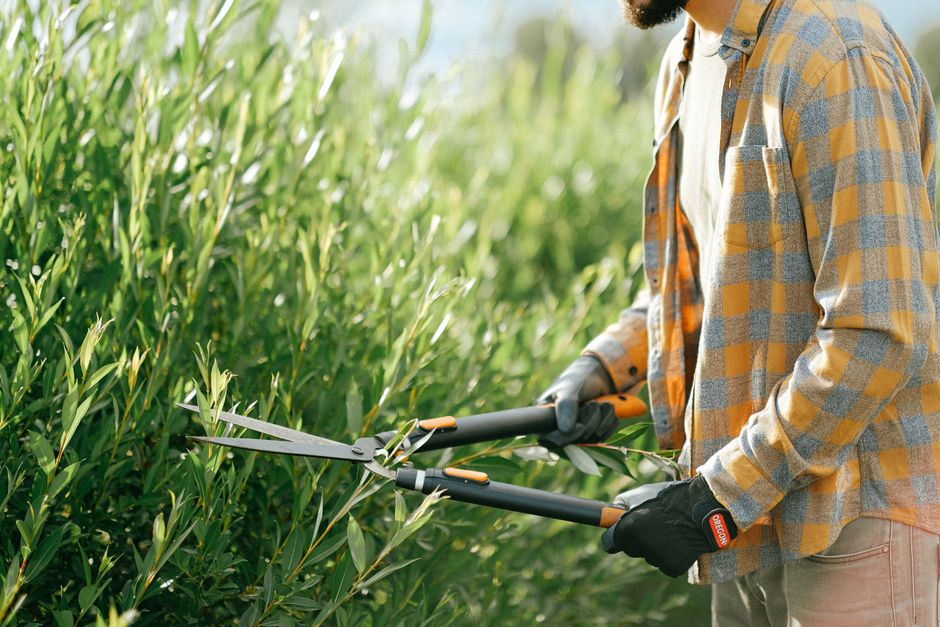
Why Gardeners Barnes same day hedge cutting and emergency care Matters
A hedge is not just a green boundary. It helps with privacy, wind buffering, noise softening, and the overall feel of a garden. When it becomes overgrown, damaged, or unstable, all of those benefits can unravel at once. That is why same day hedge care matters more than people sometimes expect.
The obvious issues are access and safety. A hedge across a pavement, path, or entrance can create an immediate nuisance, especially if it is brushing passers-by, hiding sight lines, or dropping debris after bad weather. Less obvious is the plant-health side. If you cut a storm-damaged hedge badly, or leave torn branches hanging for too long, the hedge can weaken and recover unevenly.
In Barnes, the pressure on gardens can come from more than one direction. Strong gusts, wet soil, compact boundaries, and fast summer growth all play a part. A hedge that was tidy a fortnight ago can suddenly look shaggy, lopsided, or broken. Emergency care prevents a small local issue from becoming a bigger, more expensive one.
There is also a neighbourly angle. Let's face it, hedges sit in one of the most sensitive parts of domestic life: the boundary. Quick action can help maintain good relations and avoid the awkward "Could you just..." conversation that nobody enjoys on a Tuesday evening.
Expert summary: same day hedge cutting is most useful when a hedge has become a safety, access, or weather-related problem, while emergency care is the careful stabilising work that stops the damage getting worse.
For readers who are planning longer-term improvements as well, it can be worth looking at broader garden support too, such as regular garden maintenance in Barnes or our practical guide to hedge trimming shapes and techniques. That combination often keeps emergency callouts to a minimum.
How Gardeners Barnes same day hedge cutting and emergency care Works
The process is usually simpler than people imagine, though it needs a steady hand. Same day hedge work begins with a fast assessment of what is happening and what outcome matters most: safety, access, appearance, plant recovery, or all four.
1. Initial assessment
The first step is looking at the hedge's condition. Is it snapped, leaning, shredded by wind, or simply too large for the space? Has it blocked a pathway, the front of a property, a parking spot, or a shared edge? This matters because the technique changes depending on the damage.
2. Safety-first clearance
If the hedge is dropping branches, creating trip hazards, or obstructing vision, the urgent task is to clear the area. Debris is removed first, and any unstable sections are brought under control before finer work begins. This is where careful cutting beats fast cutting every time.
3. Selective hedge cutting
Emergency care is often not a full haircut. A good gardener trims only what is needed to restore access and reduce strain on the plant. Overcutting in a rush can leave the hedge patchy, scalped, or stressed for months.
4. Shape correction and repair
Once the immediate issue is dealt with, the hedge is reshaped so it looks intentional rather than chopped. If the hedge has one damaged side, the cuts may be balanced so the plant can recover with a more even outline.
5. Waste removal and tidy finish
Because same day work is often needed after storms or heavy growth, there can be a fair amount of green waste. A proper finish includes clearing clippings, checking for hidden broken stems, and leaving the boundary safe and usable.
The best emergency hedge care is not about making the biggest visual change. It is about the right change, done quickly, and done with enough judgement that the hedge still has a future. Sounds obvious, but in practice it is what separates a helpful visit from a messy one.
Key Benefits and Practical Advantages
There are obvious benefits, and then there are the quieter ones that only show up a few days later. Same day hedge cutting can save time, but it can also protect the character of the whole garden.
- Immediate safety improvement for paths, driveways, entrances, and boundary edges.
- Better plant recovery when storm damage is addressed quickly and carefully.
- Reduced neighbour friction because overhanging growth is dealt with before it becomes awkward.
- Cleaner visual lines that make a front garden feel looked after again.
- Lower risk of secondary damage from broken stems rubbing, collapsing, or catching in the wind.
- Practical access restored for bins, gates, parking, and pedestrian movement.
There is a real emotional benefit too. People often underestimate how much a messy hedge affects the feel of a property. A wind-torn boundary can make the whole place seem tired. Once it is sorted, the garden often looks calmer within minutes. That is a nice moment, honestly.
For homes that also need general tidying, you may find it useful to combine hedge work with broader services like gardening services in Barnes or lawn mowing Barnes. The hedge looks better when the rest of the space is not fighting against it.
Who This Is For and When It Makes Sense
Same day hedge cutting and emergency care is not only for dramatic storm damage. It makes sense for anyone facing a time-sensitive hedge problem where delay would create more work, more risk, or more frustration.
Typical situations that justify urgent hedge care
- A hedge has fallen or leaned after strong wind.
- Branches are blocking access to a path, gate, or driveway.
- Overgrowth is affecting visibility at a corner or entrance.
- A neighbour has raised a concern about encroachment.
- The hedge is shedding broken growth after rain or frost.
- You need the garden presentable quickly for guests, photos, or property viewings.
It also makes sense for landlords, letting agents, and busy householders who cannot wait for a routine slot. Some people can manage a hedge issue in stages. Others just need it sorted today. There is no shame in that, by the way. Gardens do not run on our diary.
If the problem is more structural than cosmetic, it may sit alongside other work such as tree surgery in Barnes or even boundary support through fencing services in Barnes. A hedge can sometimes be reacting to nearby trees, poor shelter, or a damaged boundary, so the wider picture matters.
Step-by-Step Guidance
If you are deciding what to do before the gardener arrives, or you simply want to understand the process, this step-by-step guide will help.
- Walk the boundary safely. Check for broken branches, loose stems, blocked entrances, and anything that could trip someone or snag a vehicle.
- Photograph the damage. A few clear images help explain the issue quickly, especially if you are arranging same day help and need to describe the scale.
- Clear the immediate area if it is safe. Move bikes, bins, pots, and ornaments away from falling debris. Do not climb ladders near unstable growth.
- Decide the priority. Is the main issue safety, access, neighbour impact, or appearance? Be clear about the outcome you want.
- Protect nearby planting. If there are delicate shrubs or herb beds nearby, mention them before work starts so they can be shielded during cutting.
- Let the hedge be assessed before deciding on a heavy trim. Good emergency care often needs restraint. A big cut is not always the right cut.
- Check the finish. After the urgent work is done, review whether the boundary is safe, even, and still healthy-looking.
One practical detail people often miss: hedge recovery depends on where the cuts are made. Cutting back into bare old wood on some species can be a bad move, while others tolerate harder reductions. That is why species-aware pruning matters. No drama, just plant physiology doing its thing.
For readers managing a larger garden, planning ahead with ideas from easy, low-maintenance garden ideas can reduce future emergency calls. Less clutter, better spacing, and smarter planting all help.
Expert Tips for Better Results
Emergency hedge work is not just about speed. The best results come from fast decisions combined with restraint. Here are the habits that tend to make a real difference.
Cut for recovery, not just for appearance
A hedge that has been damaged by wind or poor weather needs a finish that supports regrowth. Clean, selective cuts are better than hacking away at everything that sticks out. If a branch is split, it should be removed cleanly rather than left to fray.
Keep the base slightly wider than the top
This simple shape helps light reach the lower growth. It is one of those small truths that keeps hedges looking full instead of thin-legged and top-heavy. A lot of tired hedges go wrong because they have been narrowed too much at the base over time.
Time the follow-up pruning carefully
After same day emergency care, a follow-up trim may be needed once the hedge has recovered. That second pass is often lighter and more refined. The first visit stabilises the issue; the second visit makes it beautiful again.
Watch for hidden damage
Wind damage is sneaky. A hedge can look mostly fine from the road while several stems are split underneath. Good emergency care checks inside the canopy, not just the visible edge.
Think about the season
Hedges often respond differently depending on the time of year. In mild, active growth periods, they recover faster. In colder or drier conditions, a conservative approach is usually safer. There is a bit of judgement involved, and that is where local experience counts.
If your hedge has a privacy role, you may also want to read about fast-growing hedge options for privacy. Sometimes the long-term fix is not just repair, but replanting or extending the boundary strategy.
Common Mistakes to Avoid
Emergency hedge jobs go wrong when speed takes over judgment. A few common mistakes show up again and again.
- Overcutting the hedge. It may look neat for a week, but it can leave the plant stressed and uneven.
- Ignoring the species. Different hedges tolerate different pruning styles. One method does not fit all.
- Leaving torn stems in place. Split growth can keep shredding in the wind.
- Forgetting the safety perimeter. If the area is still unstable, people should not be standing directly underneath it.
- Chasing symmetry too early. In emergency care, function comes first. Pretty comes second.
- Not planning the next trim. A rescue cut may need a follow-up schedule, especially after fast seasonal regrowth.
There is also a softer mistake: waiting too long because you hope the hedge will "settle down". Usually it does the opposite. If a boundary is already leaning or blocking access, the issue tends to grow, not shrink. Strange but true.
Tools, Resources and Recommendations
Professional hedge care depends on using the right tools for the job, but it is just as much about how those tools are used. For homeowners, the goal is not to recreate a full arborist kit in the shed. It is to understand what good work looks like.
Useful tools commonly involved in hedge emergency care
- Hand shears for detail shaping and smaller stems.
- Long-reach hedge trimmers for larger, taller boundaries.
- Secateurs for precise removal of broken twigs.
- Sturdy gloves and eye protection.
- Tarp or sheet for collecting clippings.
- Waste sacks or bins for tidy removal.
- Step access or ladders only when conditions are safe and stable.
If you are planning broader garden improvements, some useful reading across related topics includes hedge trimming shapes and techniques, weather defence ideas for gardens, and practical wind protection guidance. Together, those ideas help turn a reactive job into a calmer maintenance routine.
Practical recommendation: if a hedge has needed emergency attention once, it is often worth reviewing its spacing, species, and annual trim cycle. A hedge that constantly collapses after wind is usually telling you something. Not in words, obviously. In behaviour.
Law, Compliance, Standards, or Best Practice
Hedge work can touch on a few standards of good practice, even when it is a domestic garden job. The key point is simple: if the work could affect safety, neighbours, or public access, it should be handled carefully and respectfully.
In the UK, best practice usually means avoiding unnecessary disturbance, keeping pathways clear, and taking care around shared boundaries. If a hedge borders a pavement or road, visibility matters. If it borders a neighbour's property, communication matters. If the hedge is damaged near overhead hazards, more caution is needed than usual.
Good practice also includes proper insurance awareness, safe working methods, and clear communication before any significant reduction is made. That is why it can help to work with a team that takes insurance and safety seriously, alongside published guidance such as health and safety policy details and fair customer processes like the complaints procedure. Those pages matter because urgent work should still be orderly work.
You may also want clarity on practical matters such as payment and security, terms and conditions, and privacy policy. That is not the exciting bit, granted, but it is part of trusting someone in your garden with tools and access.
Finally, if the hedge is part of a more extensive improvement, it can be wise to explore landscaping in Barnes or even structural support through decking services in Barnes. Often the hedge problem sits within a wider outdoor layout issue, and fixing the layout can reduce repeat problems.
Options, Methods, or Comparison Table
Not every hedge issue needs the same response. The table below gives a plain-English comparison of the most common options so you can see where same day emergency care fits.
| Approach | Best for | Speed | Risk level | Typical outcome |
|---|---|---|---|---|
| Light tidy trim | Routine overgrowth, neatness, soft shaping | Medium | Low | Cleaner lines, modest growth reduction |
| Same day hedge cutting | Immediate access, visible overgrowth, quick presentation fixes | Fast | Low to medium | Usable, tidy hedge with minimal delay |
| Emergency hedge care | Storm damage, leaning sections, broken stems, blocked areas | Fastest | Medium | Stabilised hedge, safer boundary, damage contained |
| Full reduction or renovation | Severely neglected hedges or long-term reshape work | Slower | Medium to high | Major improvement, often with follow-up maintenance |
In practice, many jobs begin as emergency care and finish with a plan for a proper seasonal trim later on. That is often the most sensible route. Rushing a full makeover on day one can leave the hedge looking tired, and nobody wants that if a smaller fix will do.
Case Study or Real-World Example
Here is a realistic example based on the kind of work that comes up in Barnes, without dressing it up too much.
A front hedge near a driveway was hit by a burst of wind after a wet week. The top remained standing, but the middle section had folded outward and several branches were rubbing against the gate. The owner wanted it fixed the same day because the drive was needed for family visitors that evening. Fair enough.
The first step was to remove loose, broken material and restore the gate line. Rather than cutting the hedge hard across the whole front, the work focused on the collapsed section and the stray stems that were causing the worst obstruction. A small amount of shaping brought the hedge back into line, but the lower growth was preserved where possible so the hedge would not look thin later.
By the end, the path was clear, the gate could open fully, and the front of the house looked settled again. A follow-up trim was suggested for later in the season to even up the outline properly once the hedge had recovered. That is the kind of outcome people usually want: not perfection on the spot, just a garden that feels safe and back under control.
There was a nice little moment at the end too. The owner opened the gate, stepped back, and just said, "That's much better." Sometimes that really is the whole job.
Practical Checklist
Before you call for help, or before work starts, use this quick checklist.
- Is the hedge blocking access, visibility, or a shared boundary?
- Are there broken, leaning, or hanging branches?
- Is the damage likely from wind, rain, frost, or simple overgrowth?
- Do nearby plants need protecting during the cut?
- Is the hedge likely to need light correction rather than a heavy reduction?
- Have you identified the main priority: safety, access, appearance, or neighbour concerns?
- Do you need waste removed as part of the same visit?
- Will the hedge need a follow-up trim once it has settled?
- Do you want the rest of the garden tidied at the same time?
- Have you checked the boundary for anything that could be affected by the work?
If you can tick most of those off, you are already ahead of the game. And if you cannot, that is fine too. Emergency hedge care exists precisely because not every problem arrives neatly packaged.
Get a free quote today and see how much you can save.
Conclusion
Garden emergencies rarely feel glamorous. They are usually windy, awkward, slightly muddy, and inconvenient at exactly the wrong time. But the right same day hedge cutting and emergency care can turn that kind of mess into a manageable, tidy result without overdoing the cuts or creating new problems.
For Barnes homes, that balance matters. You want a hedge that is safe, presentable, and healthy enough to recover properly. You do not want a rushed cut that solves today and causes trouble next month. The best approach is calm, selective, and local to the real issue.
If your hedge has shifted, split, or simply become too much to handle right now, the sensible next step is to act while the problem is still small. That is usually where the savings are, and where the garden settles fastest. A bit of timely care goes a long way.
And honestly, there is something deeply satisfying about seeing a boundary line come back into shape on the same day. The garden breathes again.

Drawing from her background as a seasoned gardening manager, Judy has supported countless customers in attaining their desired garden layouts. Her articles prioritize sustainable gardening approaches and convenient service options.