


Castelnau garden maintenance tips for period houses
Posted on 19/10/2026
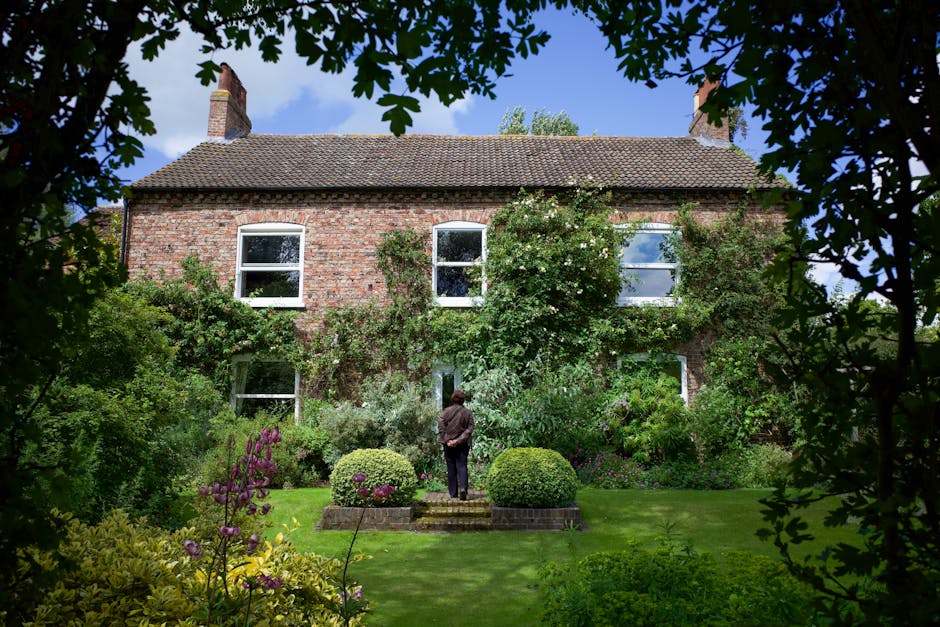
Period houses in Castelnau have a particular kind of charm: tall sash windows, original brickwork, worn path edges, and gardens that often look best when they feel settled rather than overdesigned. That's the trick, really. Good garden maintenance here is not about making everything neat to the point of looking new. It's about keeping the garden in step with the house, the street, and the way the property was meant to feel.
If you're trying to care for a Victorian terrace, an Edwardian semi, or a handsome older family home, the details matter. Hedge lines, lawn shape, planting scale, drainage, and even the finish on a patio can all make a period property look either carefully kept or oddly out of tune. In this guide, we'll walk through Castelnau garden maintenance tips for period houses in a practical, human way: what matters most, how to maintain the character of the garden, common mistakes to avoid, and when it makes sense to bring in professional help.
One thing people often notice after a first proper tidy-up is how quickly the whole place breathes again. A border gets light. A path reappears. The front garden stops looking tired and starts looking intentional. And that's usually the goal.
Why Castelnau garden maintenance tips for period houses Matters
Older homes tend to show neglect faster than newer ones. A clipped hedge that's gone soft, a mossy path, or one overgrown climber can swallow the tidy symmetry that makes a period house feel dignified. That's why maintenance isn't just a cosmetic job. It protects the look and rhythm of the property.
In Castelnau, gardens often sit in a very visible setting. Front gardens, side returns, and boundary planting are on show to neighbours and passers-by, so the condition of the garden quietly says a lot about the house. A well-kept garden can make a modest space feel elegant; a neglected one can make even a lovely facade feel heavy and closed in. Truth be told, the garden sets the tone before anyone reaches the front door.
There's also a practical side. Period houses can have older paving, mature trees, mature borders, and boundary structures that need a gentler, more thoughtful approach than a new-build plot. Heavy-handed maintenance can cause more trouble than it solves. Strong roots can lift paving, and aggressive pruning can ruin a plant's structure for seasons. The aim is balance.
Expert summary: For period homes, the best garden maintenance is usually consistent, light-touch, and sympathetic. Work with the house's proportions, not against them, and the whole property feels calmer, sharper, and more valuable in everyday terms.
How Castelnau garden maintenance tips for period houses Works
Good maintenance starts with reading the garden properly. Before cutting anything back or replacing planting, look at the structure: where the boundaries sit, how sunlight moves, where water lingers after rain, and which plants are doing useful visual work. You want to understand the garden as a whole, not just treat a few obvious weeds and call it done.
For period houses, the strongest results usually come from working in layers:
- Structure: hedges, small trees, fences, paths, and hard edges.
- Soft planting: shrubs, perennials, climbers, ground cover, and seasonal colour.
- Surface care: lawn mowing, patio cleaning, edging, and weed control.
- Seasonal adjustment: pruning, mulch top-ups, planting changes, and winter protection.
That layered approach stops the garden from becoming overworked or too rigid. It also makes jobs easier to schedule. For example, a neat hedge line frames a border, while ground cover helps reduce the constant battle with bare soil and weeds. If you're trying to keep maintenance realistic, combining structure with lower-care planting is usually a smart move. You can explore ideas for that balance in easy low-maintenance garden ideas and ground cover planting options.
It also helps to think in terms of rhythm. Some tasks are weekly, some monthly, and some are seasonal. If you wait until everything looks wild, the job becomes bigger, more expensive, and frankly more annoying than it needed to be. A little and often approach works very well with older properties.
Key Benefits and Practical Advantages
There are plenty of reasons to keep a period garden properly maintained, and not all of them are decorative.
- Protects property character: neat proportions and sympathetic planting keep the house looking in keeping with its era.
- Improves street appeal: a tidy front garden makes a strong first impression without needing flashy changes.
- Supports plant health: regular pruning, feeding, and clearing reduce stress on mature planting.
- Makes upkeep easier: smaller, consistent tasks are less disruptive than major recovery jobs.
- Helps manage boundary issues: hedges, fences, and climbers stay under control instead of becoming a nuisance.
- Reduces trip and slip risks: clean paths and level attention around paving matter more than people think.
There's another, less obvious benefit: maintenance helps the garden age well. Period properties are at their best when they look lived in, not over-restored. A slightly softened edge, a mature climber, a clipped hedge with real depth - these details make the garden feel established. A good garden should look like it belongs to the house, not like it arrived yesterday in a lorry.
Who This Is For and When It Makes Sense
This approach is for homeowners who want the garden to suit the architecture, not fight it. That includes people living in Victorian and Edwardian houses, older semi-detached homes, and listed or conservation-sensitive properties where changes need to be considered carefully.
It's also useful if any of these sound familiar:
- Your front garden has become too busy or too bare.
- The hedge line is starting to hide the house rather than frame it.
- Patio areas have darkened, gathered moss, or lost their clean edge.
- You inherited mature planting and aren't sure what to keep.
- You want the garden to look elegant without constant replanting.
Sometimes people think period gardens need elaborate design. Usually they don't. They need restraint, clarity, and a bit of discipline. If you've got a long border that feels chaotic, or a narrow city garden that's trying too hard, you may find that simpler maintenance rules make the whole thing easier to live with. If space is tight, a smart layout can also help; see vertical gardening ideas for compact spaces.
This is also a good fit if you have children, pets, or frequent guests using the garden. A more ordered design is easier to keep safe and easier to enjoy. Not thrillingly glamorous, perhaps, but very practical.
Step-by-Step Guidance
Here's a straightforward way to maintain a period garden in Castelnau without stripping away its character.
- Start with a full walk-through. Look at the house, paths, beds, hedges, fences, and any damaged areas. Notice what feels too heavy, too bare, or just plain awkward.
- Clear obvious clutter first. Remove broken pots, dead annuals, fallen leaves, and anything blocking the view of the property.
- Define the edges. Re-cut lawn lines, neaten borders, and check that paving edges are visible and safe.
- Shape hedges and climbers carefully. Keep them in proportion to the house and avoid hard cuts that make them look boxy or exposed. A thoughtful trim can transform a frontage; our guide to hedge trimming shapes and techniques covers this well.
- Look after the soil. Add compost or mulch where needed so mature planting keeps performing instead of slowly fading out.
- Choose a limited plant palette. Repeating a few plants gives period gardens a more coherent feel than filling every gap with something different.
- Clean hard landscaping. A patio or path often sets the tone for the whole garden. If it's green and slippery, the garden looks tired even when the plants are fine. Patio cleaning support can make a noticeable difference here.
- Set a maintenance rhythm. Weekly for quick checks, monthly for heavier tidying, and seasonal for pruning, mulching, and planting.
That's the framework. Of course, no two gardens behave exactly the same. One may be shaded and damp; another may face wind and drying sun. But the rhythm holds.
Expert Tips for Better Results
Here's where the small decisions really matter.
1) Keep the planting style honest to the house. Period homes usually suit softer structure, layered planting, and repetition. You don't need a jungle, and you don't need a minimalist showroom either. Somewhere in between is usually right.
2) Use evergreen structure carefully. Evergreens are useful because they keep the garden looking steady through winter, but too much of them can flatten a space. A good climber or hedge adds form without making the garden heavy. If you want inspiration, see evergreen climbers for shady areas.
3) Match maintenance to the exposure. A sheltered garden can hold finer planting, while a windier one needs tougher stems and a more deliberate trim. Wind on a mature street can do more damage than people expect. On a blustery day, a light stake or trim may save a plant from years of awkward growth. There's a useful overview in our wind protection guide.
4) Don't overfeed just because a plant looks tired. Sometimes tired-looking growth is actually overcrowding, poor drainage, or old wood that needs renewal. Feeding alone can mask the real issue.
5) Mulch, then stand back. A mulch layer often improves both appearance and moisture retention. It also gives beds that settled, well-kept look people associate with established houses.
6) Use privacy planting with care. Screen views where needed, but don't wall off the property. A front garden should feel welcoming. For ideas on screening that still feels light, have a look at fast-growing hedges for privacy.
And one more thing: if you're unsure whether to cut, wait a week. That sounds simple, but it saves a lot of regret.
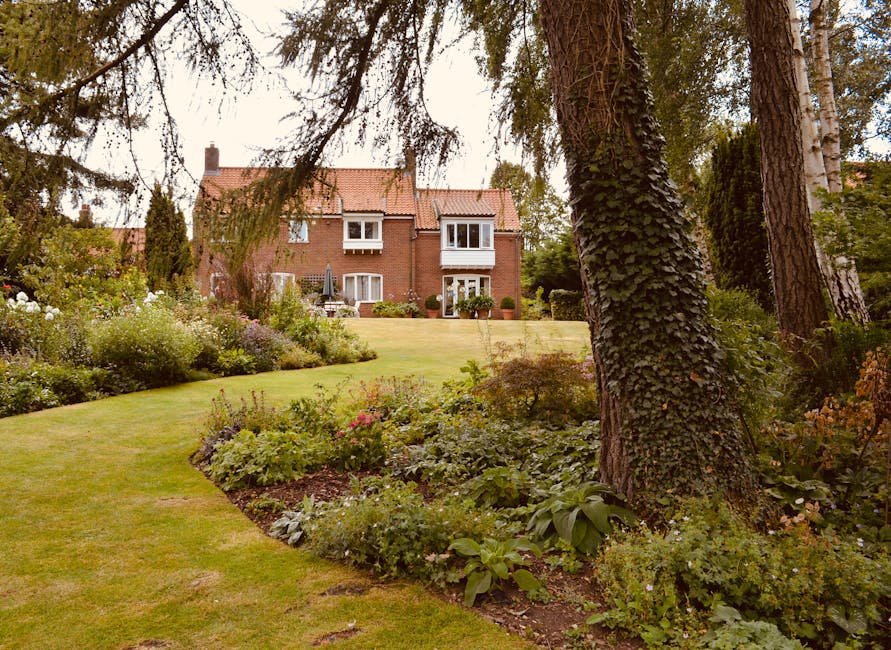
Common Mistakes to Avoid
Period gardens are forgiving in some ways and surprisingly unforgiving in others.
- Cutting hedges too severely: hard pruning can leave the frontage looking bare and blunt.
- Replacing everything at once: you can lose the sense of maturity that makes the garden work.
- Using too many contrasting plants: too much variety can make an older property feel busy rather than elegant.
- Ignoring drainage: damp corners, moss, and sinking soil often point to a practical issue, not just "mess".
- Letting climbers invade gutters, brickwork, or timber: lovely in theory, annoying in practice.
- Neglecting hard surfaces: a pretty border won't save a dirty path or weed-strewn patio.
One common trap is trying to modernise a period garden too quickly. A few contemporary touches can work, of course, but too much sharp contrast can make the house feel uncertain about itself. That's a strange way to describe a garden, I know, but it's often exactly what happens.
Tools, Resources and Recommendations
You do not need a shed full of fancy gear. Most well-kept gardens rely on a practical core kit and a decent routine.
- Sharp secateurs for light pruning and deadheading.
- Long-handled loppers for thicker stems and awkward growth.
- A sturdy hedge trimmer for shaping larger hedges safely.
- Rake, hoe, and hand fork for borders and soil care.
- A clean watering can or hose attachment for dry spells.
- Quality compost and mulch to support tired beds.
- Garden gloves that actually fit, which sounds trivial until you spend an hour fighting thorny stems.
If you're building more confidence with general garden upkeep, these gardening foundations are a useful place to start. For people who want a simpler routine, low-maintenance ideas can help you avoid overcommitting. And if you're trying to improve soil health without waste, turning garden waste into healthy soil is a practical read.
If the whole thing feels a bit overwhelming, start with the most visible areas: front boundary, main path, and the planting immediately beside the house. That alone can change how the property feels when you come home at dusk and the lights are on inside.
Law, Compliance, Standards, or Best Practice
For most homeowners, garden maintenance is mainly about best practice rather than formal compliance. Still, period properties can bring a few extra considerations.
If your house is listed or sits in a conservation area, changes to visible external features may need more care than an ordinary garden tidy. That does not mean you can't maintain the space. It means you should be thoughtful about hard landscaping changes, tree work, and anything that alters the appearance of the property from the street.
There's also a general duty of care around keeping paths reasonably safe and avoiding hazards like overhanging branches, unstable walls, or trip risks. In practical terms, that means checking paving, clearing wet leaf build-up, managing roots that lift surfaces, and not letting vegetation block access routes.
Good practice in the UK usually includes:
- Using appropriate PPE for pruning and hedge cutting.
- Staying cautious with ladders and powered tools.
- Checking whether tree work is suitable before cutting into mature canopies.
- Being careful around old brickwork, mortar, and heritage planting.
- Keeping work tidy so water can drain properly and surfaces stay usable.
If you are unsure about a larger tree, fence line, or structural issue, it is better to ask for professional assessment than to guess. That's not overcautious. It's sensible.
Options, Methods, or Comparison Table
Different maintenance approaches suit different period gardens. Here's a simple comparison to help you decide what feels realistic.
| Method | Best for | Pros | Trade-offs |
|---|---|---|---|
| Light-touch regular upkeep | Established period gardens | Keeps character, avoids shock to plants, easier to manage | Needs consistency |
| Seasonal deep tidy | Overgrown or inherited gardens | Fast visual improvement, good reset point | Can feel disruptive if done too aggressively |
| Structured formal maintenance | Front gardens and visible boundaries | Sharp, elegant, reliable curb appeal | Requires regular trimming and edging |
| Low-maintenance replanting | Busy households or limited time | Reduces future workload, improves resilience | Needs good plant choice up front |
For many Castelnau homes, the best answer is a mix of the first and third options: regular upkeep with structured edges, plus a few low-maintenance planting choices where the garden struggles most.
Case Study or Real-World Example
Imagine a typical period semi with a narrow front garden, a mixed hedge along the boundary, a slightly tired lawn, and a side path that collects moss after rain. Nothing dramatic. Just one of those gardens that has slowly drifted into looking more tired than it really is.
The first job is usually to clear and define. The hedge gets a careful trim rather than a hard cut. The lawn edges are re-cut so the space has shape again. The path is cleaned, weeds are removed from the joints, and the border nearest the front window is thinned and replanted with a few consistent shrubs and shade-tolerant perennials. Ground cover fills gaps where bare soil used to appear. The whole space reads better at a glance.
Then comes the useful bit: keeping it that way. A short weekly check prevents the hedge from getting shaggy, a monthly tidy keeps paths clean, and seasonal pruning stops mature planting from becoming tangled. The result is not a show garden. It's something better for everyday life: a garden that feels settled, proportionate, and quietly well cared for.
If the garden includes children's play, pet access, or a seating spot, that's all part of the plan too. In fact, a simple seating area can make maintenance feel worthwhile because you actually use the space. If you're looking at that next, this seating area guide is a useful companion read.
Practical Checklist
Use this checklist to keep your period garden looking balanced and well cared for.
- Check the front boundary for uneven growth or missed trimming.
- Remove dead leaves, spent flowers, and broken debris.
- Edge the lawn or gravel borders cleanly.
- Inspect paths for moss, weeds, and slippery patches.
- Trim climbers before they overwhelm windows, gutters, or brickwork.
- Look for signs of poor drainage, especially after heavy rain.
- Top up mulch in beds that look thin or dusty.
- Make sure planting still suits the scale of the house.
- Keep a small set of reliable tools in good condition.
- Plan the next seasonal job before the garden gets unruly again.
If you keep only one idea from this whole article, make it this: steady maintenance almost always looks better than dramatic rescue work. Every time.
Conclusion
Castelnau garden maintenance tips for period houses are really about respect: respect for the age of the property, respect for the rhythm of the garden, and respect for the fact that older homes look best when they are cared for with a steady hand. You do not need to force a grand redesign. In many cases, the smartest move is simply to sharpen the edges, calm the planting, and keep the whole space in proportion.
When the garden and house feel like they belong together, the effect is immediate. The frontage looks calmer. The paths feel safer. The planting reads more clearly. And the whole home, rather quietly, feels better to live in.
If you're ready to give your outdoor space a more careful, period-appropriate finish, explore your options and take the next step with confidence.
Get a free quote today and see how much you can save.

Drawing from her background as a seasoned gardening manager, Judy has supported countless customers in attaining their desired garden layouts. Her articles prioritize sustainable gardening approaches and convenient service options.