


Barnes Pond gardeners planting guide for riverside gardens
Posted on 11/10/2026
If you garden near the water, you already know it's a different game. Soil can stay heavier for longer, breezes can feel sharper, and a sunny patch one week may become a damp corner the next. This Barnes Pond gardeners planting guide for riverside gardens is designed to help you plant with confidence, not guesswork. Whether you're shaping a compact courtyard, a family plot, or a leafy river-facing border, the right choices can make the difference between a bed that struggles and one that quietly thrives.
Riverside gardens can be beautiful, but they ask for a bit of respect. You want plants that can handle moisture swings, occasional wind, reflective light, and the kind of soil that never quite behaves the same two months in a row. That sounds awkward, but it's manageable. In fact, with a thoughtful plan, riverside planting can be easier to maintain than many inland gardens because the planting style becomes more intentional. Let's get into the detail.
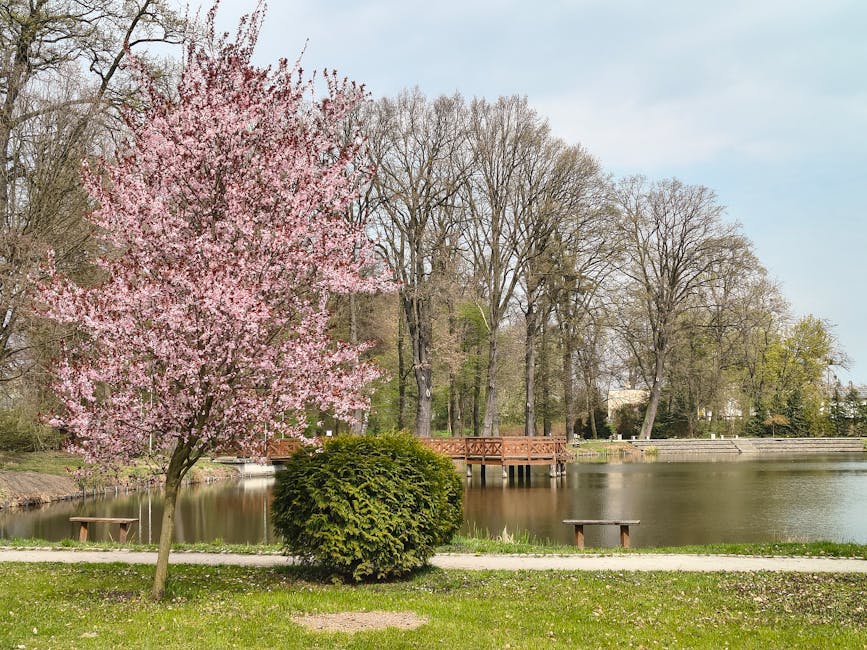
Why Barnes Pond gardeners planting guide for riverside gardens Matters
Riverside planting is not just a prettier version of standard garden design. The environment itself changes the rules. Near Barnes Pond, you may be dealing with wetter ground in shaded stretches, more exposed planting pockets near open water, and roots competing in soil that can compact after rain. That means the same plants that look lovely in a front garden may flop, sulk, or rot when moved closer to the river edge.
The point of a good planting guide is simple: it helps you match plants to place. That sounds obvious, yet it's where many gardens go wrong. People buy for colour first, then discover the border stays soggy, or the sunny herb patch gets battered by wind. A riverside garden needs resilience as much as style.
There's also a visual reason this matters. Water reflects light, which can make pale flowers glow beautifully but can also stress some plants on hot days. Meanwhile, moisture-loving species may look lush for a while and then collapse if drainage is poor. A well-planned approach gives you more than survival. It gives you rhythm, texture, and a garden that feels settled in its surroundings.
If you're planning a broader refresh, it can help to think alongside other garden structure and maintenance ideas too, like simple ways to keep a garden low-maintenance or practical weed control methods. Riverside planting works best when the whole space is coordinated, not treated as one isolated border.
How Barnes Pond gardeners planting guide for riverside gardens Works
The guide works by starting with the site, not the shopping list. That's the big shift. Before choosing plants, you look at moisture, light, wind, soil texture, and how the area behaves after heavy rain or dry spells. From there, you group plants by function: structure, fill, ground cover, pollinator support, and seasonal interest.
In practical terms, riverside planting usually follows four principles:
- Choose plants with flexible root tolerance so they can cope with damp soil without collapsing in winter.
- Improve drainage where needed using organic matter, raised planting, or slight mounding.
- Layer your planting so taller shrubs shelter smaller perennials and reduce soil splash.
- Use repeated species for a calmer, more coherent look. Repetition is underrated, honestly.
The guide also works seasonally. A riverside border can look fantastic in spring and autumn but become messy in late summer if it's under-planted or over-watered. So you plan not only for "what looks nice now," but for what still looks good after a wet week in October or a windy spell in March.
For tighter plots, vertical layering can help a lot. If your garden has limited width near the pond edge, see how vertical gardening can maximise compact spaces. It's a smart way to bring height into the design without crowding the ground plane.
Key Benefits and Practical Advantages
A carefully planted riverside garden doesn't just survive. It becomes easier to maintain and far more enjoyable to use.
1. Better plant survival
Plants chosen for damp, windy, or periodically waterlogged conditions are much less likely to fail. That means fewer replacements, less frustration, and less bare soil waiting to be colonised by weeds.
2. Stronger year-round structure
Riverside gardens often look stunning in peak season and a bit shapeless in winter. Good structure plants, evergreen accents, and layered ground cover keep the garden looking intentional even when flowers take a break.
3. Lower maintenance in the long run
When the planting suits the site, you spend less time rescuing plants and more time trimming, tidying, and enjoying the space. If you want that calmer pace, pair planting choices with ideas from container gardening basics and ground cover plant options that suppress weeds.
4. Improved wildlife value
Riverside gardens can be excellent for pollinators and birds if you provide nectar, shelter, and varied bloom times. A mix of shrubs, perennials, and grasses creates food and cover without making the border look overstuffed.
5. Better comfort around the water
With the right layout, the garden feels more sheltered, less soggy underfoot, and easier to move through. That matters if you use the space daily, especially after rain when a bad layout can turn into a muddy nuisance very quickly.
Expert summary: The best riverside gardens are not the flashiest ones. They're the ones where every plant has a reason to be there, every layer supports another, and the whole space can handle a bit of British weather without drama.
Who This Is For and When It Makes Sense
This guide is useful for anyone gardening near Barnes Pond, the Thames corridor, or any similar waterside setting where conditions shift more than you'd like. It's especially helpful if your garden has one or more of these traits:
- heavy or moisture-retentive soil
- patches of shade from mature trees or nearby structures
- wind exposure along an open boundary
- sloping ground or uneven drainage
- small planting pockets that need clever use of space
- an existing border that looks tired, patchy, or waterlogged
It also makes sense if you're planning a design refresh rather than a full rebuild. Perhaps the hard landscaping is fine, but the planting feels disconnected. Or maybe you've got a good lawn, but the edge planting near the waterline never quite settles. In those cases, planting strategy matters more than a big overhaul.
If privacy is part of the brief, don't force it all through fencing alone. A layered planting scheme can work beautifully alongside fast-growing hedges for screening and selective trimming from hedge trimming services in Barnes. That combination feels softer, and in a riverside setting, soft usually wins.
Step-by-Step Guidance
Here's the part most people want first: what do you actually do? Fair question. Start here, and keep it practical.
-
Assess the site properly
Walk the garden at different times of day. Note where the sun lands, where water lingers after rain, and which corners catch the strongest wind. Take photos if that helps. A quick look in the morning can be very different from late afternoon.
-
Test the soil texture by feel
Squeeze a handful of damp soil. If it forms a sticky ball, you're probably dealing with clay-heavy ground. If it crumbles instantly, it may drain too fast. Neither is a disaster, but both affect planting choices.
-
Improve drainage before planting
Add organic matter to help structure the soil. In wetter spots, consider raised beds, mounding, or planting on slight humps so the crown of the plant sits above the waterlogged layer.
-
Choose a plant palette by layer
Think in terms of a canopy, middle layer, and ground level. For example, a small shrub can anchor the border, perennials can provide seasonal movement, and ground cover can protect soil from splash and weeds.
-
Plant in groups rather than singles
Three or five of the same plant usually looks calmer and performs better than one of everything. Riverside gardens can get visually busy very quickly, so rhythm matters.
-
Water wisely in the first season
Even moisture-tolerant plants need regular water while establishing. The trick is not to drown them. Water deeply, less often, and watch the soil rather than the calendar.
-
Mulch and monitor
Mulch helps retain moisture, reduce weeds, and protect roots. Then keep an eye on the garden for the first few months. If a plant is constantly wet at the base, move it or raise it. Don't wait and hope. Gardens do not usually improve by accident.
For gardeners who like edible planting, herbs can work well in protected riverside pockets, especially if raised slightly. If that interests you, take a look at growing a lush herb garden. Herbs are a lovely way to bring scent and utility into the design, and rosemary, thyme, and chives can do well in the right sunny spot.
A simple planting pattern for a riverside border
Use this as a rough structure rather than a strict formula:
- Back of border: structural shrubs or climbers for height and shelter
- Middle: perennials with staggered bloom times
- Front edge: ground cover or low mounding plants to soften the line
That layered approach also helps with erosion, weed suppression, and the softening of edges near paths or paving. If the area includes walls or screens, evergreen climbers for shaded corners can be very useful, especially where a plain fence looks too harsh against water and planting.
Expert Tips for Better Results
The difference between okay planting and genuinely good planting is often found in the little decisions. Here are the ones that matter most.
- Prioritise root health over fast top growth. A plant that looks modest for the first year can outperform a showy bargain plant that never settles.
- Use foliage contrast. Different leaf shapes and textures give more lasting interest than relying only on flowers.
- Build in wind tolerance. Riverside sites can be surprisingly gusty, so even sheltered gardens benefit from tougher stems and a bit of shelter planting. If wind is a real issue, read our guide to defending gardens against excessive wind.
- Repeat plants at intervals. Repetition creates calm. It also makes maintenance easier because you learn how each plant behaves.
- Think about winter first, not last. Wet winters can expose weak planning faster than anything. Winter protection and plant safety should be part of the initial design.
One small but important habit: stand back every now and then. Seriously. After planting, step away, walk to the other side of the garden, and look at the shape. You'll spot gaps, crowding, and odd colour clashes much faster from a distance. It sounds obvious. People still forget.
If you want a garden that stays pleasant rather than fussy, combine planting decisions with broader maintenance thinking from garden maintenance in Barnes. A well-maintained bed will always outperform a brilliant design that no one revisits.
Common Mistakes to Avoid
Most riverside planting problems come from a few predictable habits. Avoiding these can save you a surprising amount of money and disappointment.
- Choosing plants for a catalogue photo, not the site. Beautiful isn't the same as suitable.
- Ignoring drainage. Many plants can tolerate damp ground for short periods, but not constant saturation.
- Overcrowding the border. Tiny plants can become crowded plants very quickly, especially in fertile soil.
- Using too many fragile ornamentals. Delicate plants are often the first to fail in a waterside setting.
- Leaving bare soil exposed. Bare patches encourage weeds and splash damage. Ground cover matters.
- Forgetting seasonal structure. Without evergreens or strong stems, the garden can look empty in winter.
- Skipping the first-year check-ins. A plant that seems fine in June may be struggling by October.
Another trap is assuming that "riverside" means everything should be moisture-loving. Not quite. A balanced garden needs some plants that enjoy moisture, some that simply tolerate it, and some that prefer a slightly raised, better-drained position. If you treat the whole area as one wet zone, you'll lose variety and, a bit annoyingly, lose plants too.
And weeds? They'll move into any gap you leave. That's where smart ground cover and good spacing can save the day.
Tools, Resources and Recommendations
You don't need a truckload of kit, but a few reliable tools make riverside planting much easier.
| Tool or Resource | Why It Helps | Best Use |
|---|---|---|
| Border spade | Good for shaping beds and lifting plants without damaging roots | Reworking edges and planting perennials |
| Hand fork | Useful for loosening compacted soil around established roots | Small spaces and careful planting |
| Organic mulch | Protects soil surface and reduces weed pressure | After planting and during dry spells |
| Raised planters or mounds | Improves drainage in heavier soils | Plants that dislike wet feet |
| Plant labels or simple notes | Helps track what thrives where | Long-term planning and adjustments |
For broader garden improvements, useful supporting reads include the foundations of gardening and how to turn garden waste into healthy soil. Healthy soil is never just a background detail. It's the engine.
If you are planning a more involved refresh, it can also help to look at landscaping support in Barnes, especially where drainage, levels, or planting layout need proper shaping before you get the shovels out. For wider boundary work, fencing services may also support wind protection and privacy.
Law, Compliance, Standards, or Best Practice
For most private gardens, planting itself is straightforward. Still, riverside locations call for a bit of care and common sense, especially if the work affects drainage, boundaries, trees, or access near shared paths. If you're close to a water edge, stay mindful of existing site conditions and avoid making changes that could increase run-off, destabilise soil, or interfere with neighbouring land.
In the UK, good practice usually means checking whether any trees are protected, whether access routes are safe, and whether your planting plans affect services, walls, or boundary features. If a mature tree, overgrown hedge, or root system is involved, it's wise to get an informed view rather than assume it's a simple DIY job. That's where proper planning, insured work, and sensible safety procedures matter. You can read more about the company's approach through the insurance and safety information and the health and safety policy.
For service expectations, it also helps to understand how quotes are usually structured, what is included in seasonal maintenance, and how any special access or disposal requirements are handled. If you're comparing options, the pricing and quotes page is a sensible place to start. Clear pricing usually means fewer surprises later, which is refreshing, frankly.
And because trust matters, especially when work takes place in a private outdoor space, support pages such as the terms and conditions, privacy policy, and complaints procedure help set expectations. That kind of clarity is boring in the best possible way.
Options, Methods, or Comparison Table
There isn't just one way to plant a riverside garden. The right method depends on the site, the budget, and how much maintenance you want to take on.
| Method | Best For | Pros | Trade-offs |
|---|---|---|---|
| Direct in-ground planting | Moderately free-draining beds with decent soil structure | Natural look, lower material cost, roots can establish well | Less forgiving in very wet areas |
| Raised beds or mounded planting | Heavy soil, damp borders, or areas prone to pooling | Improved drainage, better root health, easier access | More initial effort and materials |
| Container-led planting | Small spaces, patios, or changing light conditions | Highly flexible, good for seasonal displays | Needs regular watering and feeding |
| Mixed structural planting | Gardens needing privacy, shelter, and year-round shape | Strong visual impact, good wildlife value, practical screening | Requires space and some shaping over time |
If your plot is compact, a container-first approach can be a smart bridge strategy. Start with pots and movable planters, then add permanent beds once you know how the light and drainage behave. For small spaces, that flexibility is gold. A bit of a lifesaver, actually.
For family-friendly gardens, you might also want to combine planting with zones for play or seating. Nearby ideas from interactive spaces for children and a quiet seating area guide can help the garden feel usable rather than just decorative.
Case Study or Real-World Example
Imagine a Barnes Pond garden with a narrow rear border that stays damp through winter, catches afternoon light in summer, and gets a noticeable breeze along one side. The owner wants more privacy, fewer weeds, and a softer look than the current patchy lawn edge.
The planting approach might look like this:
- two or three structural shrubs at the back for height and shape
- a band of perennials with staggered bloom times in the middle
- low ground cover along the front edge to knit the border together
- one or two climbers on a fence panel for vertical lift
- mulch across exposed soil to suppress weeds and protect roots
That kind of scheme usually looks modest in week one, then much better by late spring. By midsummer, the border feels fuller without becoming wild. And in winter, the shrubs and climbers still carry the shape. It's not flashy. But it works.
We've seen plenty of gardens where the biggest improvement came not from adding more plants, but from choosing fewer, better-suited ones. One client-style scenario that comes up often is a damp corner where people keep trying Mediterranean plants. Lovely idea. Wrong postcode, wrong soil, wrong result. Swap that for a species suited to the conditions, and suddenly the whole area settles down.
If you're refreshing the whole garden, not just the planting bed, it may be worth combining this with hedge trimming shapes and techniques or even a broader gardening services plan so the structure and planting work together rather than fighting each other.
Practical Checklist
Before you plant, run through this quick checklist. It saves time, and a lot of second-guessing.
- Have I checked where water gathers after rain?
- Do I know which parts of the garden are sunny, shady, and windy?
- Is the soil heavy, average, or free-draining?
- Have I chosen plants that suit riverside conditions?
- Do I have at least one structural plant for winter interest?
- Have I included ground cover to protect bare soil?
- Will the final design still work in wet weather?
- Am I planting in groups rather than scattering single specimens?
- Do I have a simple watering plan for the first season?
- Have I checked whether any tree or boundary work needs specialist attention?
If you can tick most of those off, you're already ahead of many garden makeovers. Truth be told, that's where the good results usually start: not with expensive plants, but with disciplined planning.
Get a free quote today and see how much you can save.
Conclusion
A riverside garden near Barnes Pond can be one of the most rewarding spaces to plant, provided you respect the conditions instead of fighting them. The best results come from matching plants to moisture, shelter, soil structure, and seasonal movement. That's the heart of this Barnes Pond gardeners planting guide for riverside gardens: build a planting scheme that fits the place, and the place starts working with you.
Start small if you need to. Improve the soil, choose tougher plants, add ground cover, and create a shape that holds through the seasons. From there, you can refine the details, bring in more colour, and layer in scent or privacy. Gardens near water have a calmness to them when they're done well. You can almost hear it in the planting. Soft, settled, quietly alive.
If you want help turning a difficult patch into something lasting, the right plan makes all the difference. And once it starts to come together, you'll know. The garden feels less like a problem and more like a place you can actually enjoy.

Drawing from her background as a seasoned gardening manager, Judy has supported countless customers in attaining their desired garden layouts. Her articles prioritize sustainable gardening approaches and convenient service options.