


Barnes High Street front garden makeovers with local gardeners
Posted on 20/11/2026
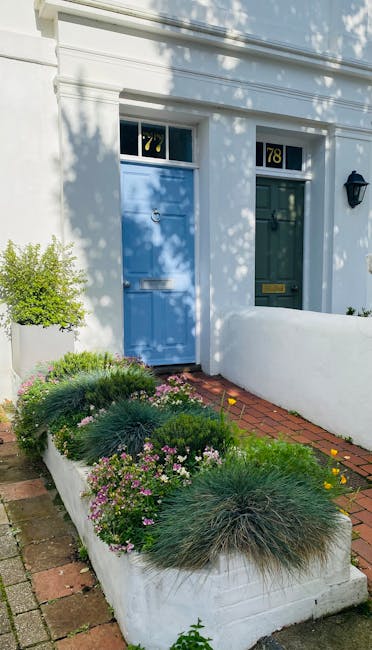
If your front garden feels more "tired patch of paving" than a proper welcome to the house, you are not alone. Around Barnes High Street, small front spaces have to work hard: they need to look good from the street, handle London weather, stay practical for daily comings and goings, and not become another weekend job you keep putting off. That is where Barnes High Street front garden makeovers with local gardeners really earn their keep. A good local gardener can turn a cluttered, underused frontage into something tidy, attractive, and surprisingly easy to maintain.
In this guide, we'll look at what a front garden makeover involves, how local gardeners usually approach the job, what to budget for in broad terms, and which design choices make the biggest difference in Barnes. We will also cover common mistakes, useful materials, and a straightforward step-by-step process so you can decide what to do yourself and where it makes sense to bring in help. Truth be told, the smallest changes often have the biggest impact.
Why Barnes High Street front garden makeovers with local gardeners Matters
Front gardens do more than decorate a property. They shape first impressions, support drainage, soften hard edges, and frame the route from pavement to front door. In a busy area like Barnes, a front garden can also create a little breathing room between the street and the home. That matters more than people sometimes realise. You see it every day when you come home, and so does everyone else passing by.
A front garden makeover is especially valuable where spaces are compact or a bit awkward. Many Barnes homes have narrow plots, uneven beds, mature shrubs that have outgrown their welcome, or hardstanding that has taken over everything. Local gardeners know how to read those conditions. They are usually better placed to suggest plants and layouts that cope with shaded fronts, roadside dust, foot traffic, and the occasional dry spell that catches people out in spring and summer.
There is also a practical side. A well-planned front garden can reduce the time spent battling weeds, overgrown hedges, or muddy patches. It can improve access, make bin storage less of an eyesore, and give you a better buffer from the road. If you like, think of it as the home's handshake. A polite one, not a showy one.
For readers wanting a lower-cost starting point, it can help to pair professional guidance with a few simple do-it-yourself changes. A useful companion read is this budget-friendly front garden idea guide, which is a good match if you are comparing quick wins before committing to a bigger redesign.
How Barnes High Street front garden makeovers with local gardeners Works
Most front garden makeovers follow a fairly sensible sequence. Local gardeners usually begin with a walkthrough, a chat about how you use the space, and a look at what is already there. That first conversation matters. A garden that works for a couple may not suit a family with children, a dog, or regular visitors needing a clear path to the door.
From there, the gardener will normally assess:
- sun and shade patterns through the day
- soil condition and drainage
- existing plants worth keeping
- problem areas such as weeds, root competition, or compacted ground
- boundaries, access points, and sightlines from the street
- how much upkeep you are realistically willing to do
Then comes the planning stage. This might include new planting beds, a refreshed path, edging, hedge shaping, containers, gravel, lawn reduction, or a full redesign with hard landscaping. If privacy is a concern, the plan may include screen planting or a carefully managed hedge line. If maintenance is the priority, it may lean toward simple planting, mulched beds, and hardwearing ground cover. There is no one-size-fits-all answer. Luckily, there does not need to be.
A useful way to think about the process is: clear, design, build, plant, then maintain. Local gardeners can help with each part, or only the part you need most. Some people want a full transformation. Others just want the front boundary tidied, a planting plan, and the rest left for later. Both are perfectly valid.
Key Benefits and Practical Advantages
The main reason people invest in front garden makeovers is simple: it makes daily life nicer. That sounds a bit obvious, but it is true. A neat frontage can make the whole property feel calmer, more finished, and better cared for. On grey mornings, when the bins are out and the pavements are damp, even a modest amount of structure and planting can lift the view straight away.
Here are the most practical benefits:
- Better kerb appeal: tidy borders, balanced planting, and clear paths make a home look more welcoming.
- Lower maintenance: clever plant choices and good soil preparation reduce time spent weeding and watering.
- Improved privacy: hedges, screens, and layered planting can soften views from the street.
- Better drainage: the right layout can reduce puddling and keep soil healthier.
- More usable space: a front garden can gain structure without feeling crowded.
- Local suitability: gardeners who work in Barnes understand what tends to survive here and what tends to sulk.
There is another benefit people sometimes overlook: confidence. Once a front garden is organised, it becomes easier to keep on top of. You are not staring at a problem every time you leave the house. That changes the mood more than you might think.
If low upkeep is high on your list, it may be worth reading this guide to easy, low-maintenance garden choices before finalising planting plans. And if your makeover includes more structure, hedge shaping can be the finishing touch rather than an afterthought.
Who This Is For and When It Makes Sense
Front garden makeovers are not only for people with large budgets or grand ideas. In Barnes, they make sense for a wide range of households. Maybe your frontage is looking messy after years of patch-and-go fixes. Maybe you have just moved in and want the outside to match the care you have already given inside. Or maybe you are simply tired of standing in the rain while trying to shut a gate that sticks. That happens.
This kind of work is especially useful if you:
- have a front garden that feels too bare, too busy, or too difficult to maintain
- want a cleaner, more polished first impression
- need safer access to the front door or driveway
- have old shrubs, weak turf, or tired borders that no longer perform well
- prefer a garden that looks good through the year, not just in one good week in May
- need help making a small or awkward space feel intentional
It also makes sense when you are juggling other priorities. A lot of homeowners know exactly what they would like, but not how to sequence it. A local gardener can save a lot of trial and error there. In practice, that usually means fewer false starts, fewer wasted plants, and a better chance of ending up with something you will actually enjoy.
For families, a front garden makeover can also improve day-to-day safety and flow, especially where prams, bikes, and constant foot traffic are part of the picture. If you are considering child-friendly outdoor planning more broadly, you may also find ideas for interactive outdoor spaces for kids useful because some principles overlap: clear visibility, durable surfaces, and sensible planting.
Step-by-Step Guidance
If you want the process to feel manageable, break it into stages. No need to do everything in one chaotic weekend with muddy gloves and a half-finished pile of compost. A measured approach tends to produce better results anyway.
1. Start with a clear brief
Write down what bothers you most. Is it weeds? Lack of structure? Overgrown shrubs? No colour? Poor access? Be specific. A good brief helps a local gardener suggest options that suit your actual situation rather than a generic front-garden package.
2. Set the function first
Decide what the front garden must do. For many Barnes properties, it needs to balance appearance with access, storage, privacy, and drainage. If the layout is wrong, no amount of pretty planting will fix it. A decent gardener will spot that quickly.
3. Clear, prune, and assess what stays
This is where honesty helps. Some plants deserve a second chance. Others are just occupying space like stubborn houseguests. Remove dead material, cut back overgrowth, and keep only the plants that genuinely contribute to the design.
4. Improve the ground before planting
Healthy soil is the boring secret behind a successful makeover. Compost, organic matter, and better structure usually make planting more reliable. If you are reusing old beds, a little soil recovery goes a long way. For a deeper look at this side of the job, the guide to transforming waste into healthy soil is worth a read.
5. Choose a design language
Keep the look consistent. You might want modern and minimal, cottage-style, evergreen and structured, or soft and seasonal. A front garden feels stronger when the materials and planting follow the same idea. Randomness can be charming in a back garden. Up front, it often just looks unfinished.
6. Add the right plants for the site
Plant selection should match light, exposure, and maintenance goals. In shady nooks, climbers and shade-tolerant species may be better than thirsty bedding plants. For compact plots, containers, layered planting, and low-growing edges can make the area feel larger. If your frontage is particularly narrow, vertical gardening ideas can open up useful design options without eating the ground space.
7. Finish with edges, surfaces, and detail
Good edging makes a garden look deliberate. Clean path lines, gravel borders, slate or timber edging, and properly trimmed hedges all help. This is the bit people notice without always knowing why. That little sense of order. Very satisfying, actually.
8. Plan maintenance from day one
A makeover should come with a maintenance rhythm. Without one, even the best design will slide back. Agree on what needs weekly attention, what needs seasonal pruning, and what can be left alone. If you prefer minimal effort, low-maintenance front garden ideas can help shape a realistic plan.
Expert Tips for Better Results
After enough front garden jobs, a few patterns become obvious. The best makeovers are rarely the most complicated ones. They are the ones that respect the space. The garden, in other words, gets a say.
- Use repetition. Repeating a few plants or materials creates calm and stops a small space from feeling busy.
- Choose at least one evergreen backbone. This keeps the garden looking alive in winter.
- Leave room to move. A beautiful front bed is not much use if it makes access awkward.
- Think in layers. Ground cover, mid-height planting, and a restrained focal point usually work better than one dominant feature.
- Mulch properly. It helps with moisture, weeds, and a tidy finish.
- Prune for shape, not just size. A hedged boundary can look smart when trimmed with care. If that is part of your plan, hedge trimming in Barnes is often the service that ties everything together.
One more thing: do not chase too many trends at once. A zen corner, a cottage border, ornamental grasses, and a tropical statement bed can all be lovely on their own. Together? Bit of a muddle. Keep the story simple.
For extra inspiration on planting that works hard without demanding too much, browse ground cover plant ideas for UK gardens and evergreen climbers for shady spots. Those two categories are especially useful in front gardens where consistency matters.
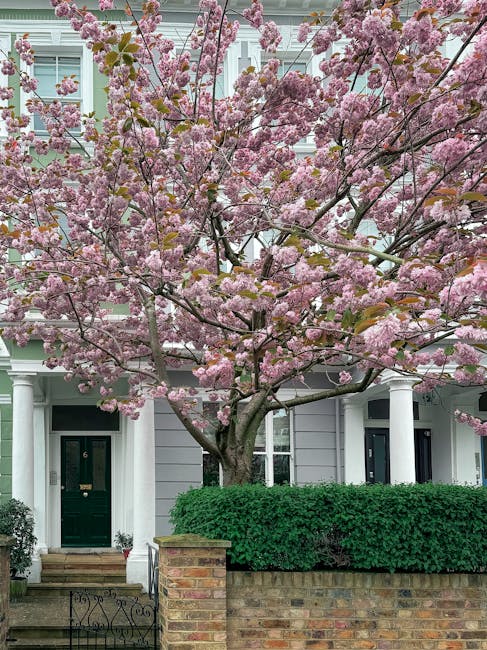
Common Mistakes to Avoid
There are a few common traps that can make a front garden makeover harder than it needs to be. None of them are dramatic on their own, but they add up fast.
- Ignoring scale: a large shrub in a tiny frontage can swallow the whole space.
- Skipping soil prep: planting straight into tired ground is asking for weak growth.
- Choosing thirsty plants for a dry site: they may look fine for a while, then struggle.
- Overcomplicating the design: too many materials or plant types can make the garden feel busy.
- Forgetting maintenance access: if you cannot get to the beds easily, they will become harder to manage.
- Letting hedges run unchecked: hedge maintenance is not glamorous, but it is essential.
There is also the classic mistake of treating the front garden as a leftover space. Once you start giving it proper design attention, everything changes. It stops being an afterthought and starts carrying its weight.
If weeds have taken over, do not just cover them and hope. Deal with the root causes where possible. A practical read on that is how to tackle weeds with a few expert tips. It is a small detail, but weeds have a sneaky habit of undoing a whole makeover if ignored.
Tools, Resources and Recommendations
You do not need an enormous toolkit to improve a front garden, but the right basics make the work easier and safer. A local gardener will usually bring professional tools for cutting, shaping, lifting, and cleaning, but if you are handling some of the prep yourself, these are the sensible essentials:
- sturdy gloves and boots
- spade, fork, hand trowel, and pruning shears
- wheelbarrow or strong garden bags
- rake and stiff broom for clearing surfaces
- garden compost and mulch
- edging tool for keeping lines crisp
- watering can or hose with a controlled spray
For design inspiration, it helps to explore a few focused topics rather than random browsing. If your front garden needs structure and privacy, the ideas in privacy hedges may be useful. If you want a calm, understated entrance, zen garden concepts can help you simplify the palette.
For homeowners who want to keep the rest of the exterior tidy too, related services such as garden maintenance in Barnes, lawn care in Barnes, and patio cleaning in Barnes can support the finished look. That is especially helpful when the front garden connects to paving, paths, or a small sitting area.
Law, Compliance, Standards, or Best Practice
For front garden work, compliance is usually less about complicated paperwork and more about sensible, responsible practice. Still, there are a few things to keep in mind. If a makeover changes access, boundary structures, drainage behaviour, or tree roots near shared land, it is worth proceeding carefully and checking details before work begins. In London, that is just common sense, even if it feels a bit dull at the time.
Good practice generally includes:
- making sure work does not create hazards on the pavement or at the entrance
- disposing of green waste responsibly
- using safe lifting and cutting methods
- protecting existing trees and roots where possible
- checking whether any boundary work needs agreement with neighbours
Where trees or large shrubs are involved, care is especially important. A proper assessment can prevent avoidable damage to fences, paths, and underground services. If the project includes heavier pruning or removal, it may overlap with tree surgery in Barnes. For larger boundary changes, fencing services in Barnes may also be relevant.
From a trust point of view, it is sensible to choose gardeners who can explain their process clearly, discuss safety, and be transparent about what is included. Pages such as insurance and safety, health and safety policy, terms and conditions, and privacy policy are there for exactly that reason. They help set expectations before anyone starts lifting slabs or trimming anything spiky.
Options, Methods, or Comparison Table
Not every front garden makeover needs the same level of intervention. Some only need a light refresh. Others need a full redesign. The right choice depends on your budget, the condition of the space, and how much change you actually want to live with every day.
| Approach | Best for | Typical strengths | Watch-outs |
|---|---|---|---|
| Quick tidy-up | Small improvements, resale prep, seasonal refresh | Fast, affordable, noticeable uplift | Won't solve layout problems |
| Plant-led makeover | Garden areas with decent structure already in place | Natural look, softer street presence | Needs good soil and regular early care |
| Hard landscaping update | Weak paths, awkward access, tired boundaries | Big visual impact, better function | Higher cost and more planning |
| Low-maintenance redesign | Busy households, rental properties, frequent travellers | Less upkeep, reliable year-round appearance | Can look plain if not designed carefully |
If you are unsure which route fits, start with the simplest honest answer: what annoys you most about the space right now? That question narrows the options quickly. A good gardener will then help you avoid paying for work you do not need. Handy, and refreshing, really.
Case Study or Real-World Example
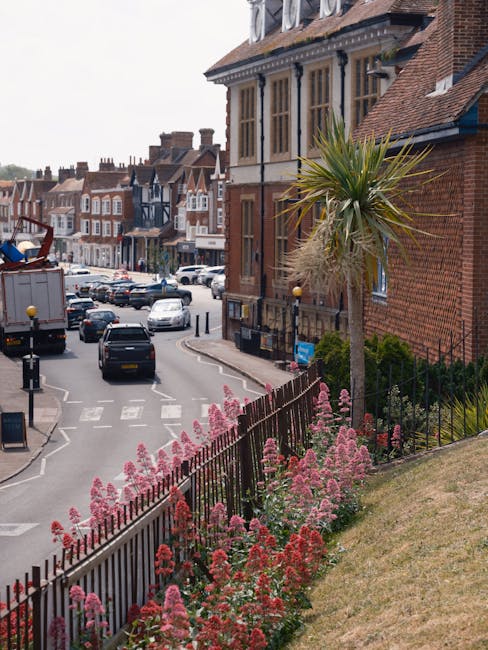
A typical Barnes High Street frontage might begin with a narrow strip of front garden bordered by an old hedge, a patchy lawn, and a path that has lost its edges. The owners want it to look tidier without turning it into a high-maintenance project. They also want better privacy from the street and a more welcoming arrival at the door.
In a realistic makeover, the first move would be clearing the neglected material and deciding what to keep. The hedge may be reshaped rather than removed. The weak lawn could be reduced or replaced with planting and mulch. A couple of structural evergreens might anchor the design, while ground cover or container planting fills the lower levels. If the entrance needs a softer feel, a narrow seating or pause point could be added, though only if the space can genuinely carry it.
That kind of project usually works best when the gardener keeps the design restrained. A few good plants, clean edges, and a sensible maintenance plan can make the frontage feel transformed without shouting for attention. You walk up to the door and the whole place just feels calmer. That is the point. Not perfection. Calm.
If the scheme includes a small herb feature, a useful follow-up is nurturing a lush herb garden. And if the aim is a small sitting nook or a more welcoming threshold, a seating area guide can help shape the idea without overcrowding the front garden.
Practical Checklist
Use this as a quick planning check before you book work or start digging.
- Decide whether the main goal is style, privacy, easier maintenance, or all three.
- List the elements that must stay, such as mature plants, paths, gates, or bins.
- Measure the space roughly so the design fits properly.
- Note sun, shade, drainage, and any windy spots.
- Set a realistic maintenance level before choosing plants.
- Agree on whether the hedge, lawn, paving, or beds need attention first.
- Check that access to the door remains easy and safe.
- Think about year-round appearance, not just summer colour.
- Choose a style that suits the house and street.
- Ask for a clear breakdown of work, timing, and aftercare.
Expert summary: the best front garden makeovers in Barnes are usually the ones that simplify the space first, then add a few carefully chosen features that earn their place. Keep it tidy, keep it coherent, and keep maintenance realistic.
Conclusion
A front garden does not need to be huge to make a real difference. Around Barnes High Street, the most successful makeovers tend to be the ones that respect the scale of the space, suit the way people live, and look good without demanding constant attention. That is where local gardeners are so useful: they bring local judgement, practical plant knowledge, and a feel for what will work in real weather, on real streets, with real weekly life going on around it.
If you are planning Barnes High Street front garden makeovers with local gardeners, start with a clear brief, keep the design honest, and aim for one strong idea rather than five competing ones. Small improvements add up. They really do. And once the entrance feels welcoming again, the rest of the home tends to follow suit somehow.
Get a free quote today and see how much you can save.

Drawing from her background as a seasoned gardening manager, Judy has supported countless customers in attaining their desired garden layouts. Her articles prioritize sustainable gardening approaches and convenient service options.